

10 Early Signs and Symptoms of Diabetes
In today’s fast-paced lifestyle, Diabetes has become one of the most common yet serious health conditions. In many cases, the body starts showing warning signs early on, but people often ignore them or mistake them for minor health issues. If these symptoms are not recognized in time, diabetes can affect vital organs such as the eyes, heart, nerves, and kidneys.
Therefore, identifying the early signs of diabetes is extremely important for timely diagnosis and management.
What is Diabetes?
Diabetes is a condition in which the level of blood sugar (glucose) in the body becomes higher than normal. This happens when the body does not produce enough insulin or when the insulin produced does not work effectively. As a result, glucose accumulates in the bloodstream, leading to elevated blood sugar levels.
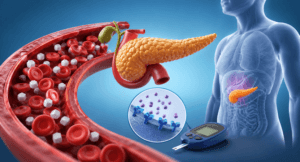
Let’s take a look at the 10 early signs and symptoms of diabetes that everyone should be aware of.
- Frequent Urination
One of the most common early signs of diabetes is the need to urinate more often than usual, especially during the night. When blood sugar levels are high, the kidneys work harder to remove excess glucose from the body through urine.
- Excessive Thirst
Frequent urination can lead to dehydration, causing persistent thirst. If you find yourself drinking more water than usual but still feeling thirsty, it may be a warning sign of diabetes.
- Increased Hunger
Even after eating a full meal, people with diabetes may feel hungry more often. This occurs because the body’s cells are unable to use glucose efficiently for energy, leading to a constant feeling of hunger.
- Constant Fatigue and Weakness
Feeling tired or exhausted all the time, even without significant physical activity, can be an early symptom of diabetes. Since the body cannot properly utilize glucose for energy, fatigue becomes common.
- Unexplained Weight Loss
Sudden weight loss without changes in diet or exercise can be a sign of diabetes, particularly in some cases of Type 1 and Type 2 diabetes. The body starts breaking down fat and muscle for energy when it cannot use glucose effectively.
- Blurred Vision
High blood sugar levels can affect the small blood vessels in the eyes, leading to temporary vision changes or blurred vision. If left untreated, diabetes can eventually cause serious eye complications.
- Slow Healing of Wounds
Cuts, bruises, or wounds that take longer than usual to heal may indicate diabetes. Elevated blood sugar can impair blood circulation and slow down the body’s natural healing process.
- Frequent Infections
People with diabetes may experience recurrent infections because high blood sugar can weaken the immune system. Common infections include skin infections, urinary tract infections, and gum infections.
- Tingling or Numbness in Hands and Feet
Persistently high blood sugar can damage nerves over time. This may cause tingling sensations, numbness, burning, or pain in the hands and feet, a condition known as diabetic neuropathy.
- Darkened Skin Patches
Dark, thickened patches of skin, particularly around the neck, underarms, or groin area, can be a sign of insulin resistance. This condition is often associated with an increased risk of developing Type 2 diabetes.
Who Is at Higher Risk of Diabetes?
The risk of developing diabetes may be higher in people who:
- Have a family history of diabetes
- Are overweight or obese
- Lead a physically inactive lifestyle
- Have high blood pressure
- Follow unhealthy eating habits
- Are older in age
- Have a history of gestational diabetes
How to Reduce the Risk of Diabetes
Adopting healthy lifestyle habits can help reduce the risk of diabetes:
- Eat a balanced and nutritious diet
- Exercise regularly

- Maintain a healthy weight
- Get adequate sleep
- Manage stress effectively
- Monitor blood sugar levels regularly
- Attend routine health check-ups
Conclusion
Diabetes is a condition that can often be managed effectively when detected early. Paying attention to the warning signs and seeking medical advice at the right time can help prevent serious complications.
If you notice any of the symptoms mentioned above, do not ignore them. Early diagnosis, proper medical guidance, and a healthy lifestyle can go a long way in maintaining good health and improving quality of life.
Remember: Early detection is the key to better diabetes management and long-term well-being.