Is Losing Weight Alone Enough for PCOD? How Can You Manage It Better?
When a woman is diagnosed with PCOD or PCOS, one of the first things she may hear is that she needs to lose weight. While weight management can be helpful for some women, it is not the only aspect of managing this condition.
PCOD and PCOS can affect menstrual cycles, hormone levels, insulin function, and overall health. This is why care should go beyond the number on the weighing scale.
For some women, maintaining a healthy weight may help improve certain symptoms. Others may have PCOS despite having a normal body weight. The right approach depends on each woman’s symptoms, health condition, and individual needs.
What Are PCOD and PCOS?
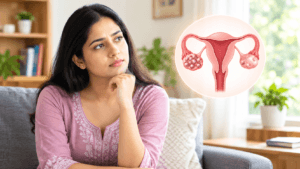
PCOS stands for Polycystic Ovary Syndrome. It is a hormonal condition that can affect women during their reproductive years.
Women with PCOS may experience irregular periods, acne, excessive hair growth on the face or body, or difficulties with ovulation. However, symptoms can vary, and not every woman will experience the same changes.
PCOD is another term commonly used in everyday conversations about this condition. In medical practice and research, PCOS is the more widely recognised term.
One important thing to understand is that PCOS does not affect only women who are overweight. Women with a normal body weight can also develop this condition.
How Is Weight Related to PCOD?
Weight and PCOS can be connected, but the relationship is not the same for everyone.
Some women with PCOS experience insulin resistance. This means that the body’s cells do not respond to insulin as effectively as they should. As a result, the body may produce more insulin to help regulate blood sugar levels.
Higher insulin levels can influence other hormones and may affect ovulation. In some women, these changes can contribute to irregular menstrual periods and other PCOS-related symptoms.
However, PCOS is a complex condition. Hormonal changes, metabolic factors, and symptoms differ from one woman to another. This is why weight alone cannot explain the condition or determine how it should be managed.
Why Is Weight Loss Alone Not Enough for PCOD?
Managing PCOS involves understanding the different ways it can affect the body. Here are four important areas that deserve attention.
- Regular Periods Depend on More Than Weight
Some women may notice improvements in their menstrual cycles when they maintain a healthy weight. However, irregular periods can also be related to hormonal changes and problems with ovulation.
For this reason, losing weight does not necessarily mean that periods will become regular. If menstrual irregularities continue, medical evaluation may be needed to identify the underlying reasons and discuss suitable treatment.
- Hormone-Related Symptoms Also Need Attention
PCOS can cause symptoms such as acne, excessive facial or body hair, and thinning hair in some women.
These symptoms may affect everyday comfort and self-confidence. Although lifestyle changes can support overall health, they may not be enough to manage every hormone-related symptom.
A doctor can assess the symptoms and discuss appropriate options based on the individual’s needs.
- Blood Sugar and Other Health Factors Matter
PCOS is not only about menstrual cycles and visible symptoms. Some women may also experience insulin resistance, changes in blood sugar levels, or cholesterol-related concerns.
Depending on the individual’s health history and symptoms, a doctor may recommend appropriate tests to assess these factors.
Understanding the overall health picture helps guide care more effectively than focusing on weight alone.
- Mental Well-Being Should Not Be Overlooked
Living with irregular periods, skin changes, unwanted hair growth, or concerns about weight can sometimes lead to stress and reduced self-confidence.
These experiences can affect emotional well-being, and they should not be dismissed as unimportant.
Taking care of mental health is part of overall health. Seeking support when needed can help women feel more comfortable discussing their concerns and making informed decisions about their care.
How Can You Take Better Care of Yourself With PCOD?
Small, consistent lifestyle habits can support overall health. The aim is not to follow a strict routine or make drastic changes overnight, but to find an approach that works for your body and daily life.
- Choose a Balanced Diet
Try to include a variety of foods in your daily meals, such as vegetables, fruits, pulses, whole grains, and suitable sources of protein.
Your nutritional needs may depend on your health condition, food preferences, and daily routine. A balanced approach is generally more practical to maintain than following a highly restrictive diet.
There is no single diet that works for every woman with PCOS. Avoid eliminating entire food groups or following extreme dietary plans without appropriate professional guidance.
- Make Physical Activity a Regular Habit
Regular movement can support general health and may be helpful for women with PCOS.
Walking, cycling, yoga, or other activities suited to your abilities can be good options. You do not necessarily need an intense workout routine to get started.
Choose activities that fit your health condition and lifestyle. Consistency is often more practical than trying to follow a demanding exercise plan that is difficult to maintain.
- Pay Attention to Sleep and Stress
Sleep and stress are important parts of overall well-being.
Try to maintain a regular sleep schedule and allow yourself enough time to rest. If you often feel stressed, activities such as meditation, breathing exercises, or spending time on something you enjoy may help you relax.
These habits are not a substitute for medical care, but they can be part of a healthier daily routine.
- Know When to Consult a Doctor
If your periods are frequently irregular, your symptoms are getting worse, or you are having difficulty conceiving, it is important to seek medical advice.
A doctor can review your symptoms, medical history, and any necessary test results before recommending suitable treatment.
Avoid relying only on weight changes or self-diagnosis to understand whether your PCOS is improving.

What Benefits Can Weight Loss Offer in PCOD?
For women whose weight is higher than is healthy for their individual circumstances, appropriate weight management may help improve certain symptoms and metabolic health factors.
However, weight loss is not necessary for every woman with PCOS. Women with a normal body weight can also benefit from paying attention to balanced nutrition, regular physical activity, adequate sleep, and appropriate medical care.
The focus should be on supporting overall health rather than trying to reach a particular number on the weighing scale.
Remember: Managing PCOD is about more than losing weight. It involves understanding your symptoms, supporting your overall health, and choosing care that suits your individual needs.
Frequently Asked Questions About PCOD
- Can losing weight help make periods regular in PCOD?
It may help some women, particularly when excess weight is contributing to their symptoms. However, menstrual regularity depends on several factors, and weight loss alone may not resolve irregular periods. Medical treatment may be needed in some cases.
- Can women with a normal body weight also have PCOS?
Yes. PCOS can affect women of different body sizes. Having a normal body weight does not rule out the condition, and weight alone cannot confirm or exclude a diagnosis.
- What should you eat if you have PCOD?
A balanced diet that includes vegetables, fruits, whole grains, pulses, and suitable sources of protein can support overall health. There is no single diet that is right for everyone, so food choices should reflect individual nutritional needs and health conditions.
- Are diet and exercise enough to manage PCOD?
Lifestyle changes can be helpful, but they may not be sufficient for everyone. Depending on the symptoms and overall health condition, medication or other treatments may also be recommended. A doctor can help determine the appropriate approach.
- Can PCOD cause difficulty in getting pregnant?
In some women with PCOS, irregular ovulation can make conception more difficult. However, many women with PCOS are able to become pregnant with appropriate guidance and treatment when needed. Anyone experiencing difficulty conceiving should discuss their concerns with a qualified healthcare professional.
Conclusion
PCOD management should not focus on weight loss alone. Hormonal health, menstrual regularity, blood sugar levels, emotional well-being, and everyday lifestyle habits all deserve attention.
A balanced diet, regular physical activity, adequate sleep, stress management, and appropriate medical guidance can help women take a more informed approach to their health.
Since PCOS affects every woman differently, there is no single approach that works for everyone. Understanding your symptoms and seeking advice based on your individual needs is an important step towards better health.
Aaptashri Ayurveda & Panchakarma Clinic, Pune
Dr. Saurabh B. Kadam, M.D. (Ayu)
Address: Shop No. 2–4, 1st Floor, Sneh Mithila Apartment, 31/1 Kashave Nagar, Next to Swaraj Garden Hotel, Bhosari Road, Pimple Saudagar, Pimpri, Pune – 411027
Contact: 73877 93189 | 96650 10500
Disclaimer: This article is intended for general health information only. It is not a substitute for individual medical advice, diagnosis, or treatment.