

How Effective Are Ayurvedic Treatments for Knee Pain?
Knee pain has become one of the most common health problems today. Almost every family knows someone who struggles with it.
Maybe your mother finds it difficult to climb stairs.
Maybe your father feels stiffness in his knees every morning.
Or perhaps you are young but notice knee pain after sitting for long hours at work.
At first, most people ignore it.
“It’s probably just tiredness.”
But as the pain gradually increases, one question naturally comes to mind:
“Can Ayurvedic treatment really help with knee pain?”
Let’s understand this in a simple and practical way.
What Exactly Is Knee Pain?
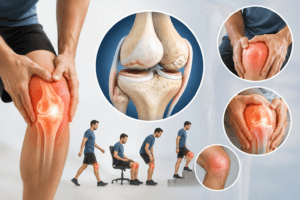
The knee is one of the busiest joints in our body. Every day, it supports our body weight while we walk, stand, sit, climb stairs, or even get up from a chair.
Inside the knee is a smooth cushioning layer called cartilage. It allows the bones to move comfortably without rubbing against each other.
Over time, this cartilage may wear down, muscles and ligaments may become weak, or inflammation may develop. As a result, you may experience:
- Pain while walking
- Swelling around the knee
- Stiffness
- Cracking or clicking sounds
- Difficulty in bending or straightening the knee
These are common signs of knee pain.
Why Does Knee Pain Happen?
There isn’t just one reason. Knee pain can develop due to several factors.
- Age
As we grow older, the protective cartilage naturally becomes thinner. This is one of the most common reasons for knee pain.
- Excess Body Weight
Every extra kilogram of body weight puts additional pressure on your knees. Over time, this constant stress can damage the joint.
- Previous Injury
An old sports injury, fall, or accident may continue to affect the knee even years later.
- Long Sitting Hours
Many people spend 8–10 hours sitting at a desk. Lack of movement weakens the muscles supporting the knee.
- Arthritis
Inflammation inside the joint can also cause pain, swelling, and stiffness.
Early Signs You Should Never Ignore
Knee pain usually doesn’t appear overnight. Your body often gives small warning signs first.
You may notice:
- Stiffness in the morning
- Pain while climbing stairs
- Difficulty getting up after sitting
- Clicking sounds during walking
- Knee discomfort after a short walk
Many people consider these symptoms “normal” and ignore them until the problem becomes more serious.
How Does Ayurveda Look at Knee Pain?
Ayurveda does not focus only on the painful joint.
According to Ayurveda, knee pain is often associated with an imbalance of Vata Dosha. Increased Vata can lead to dryness, stiffness, reduced joint lubrication, and pain.
However, Ayurveda also believes that every person is different.
The reason behind your knee pain may not be the same as someone else’s. That is why Ayurvedic treatment is always planned according to an individual’s body type, symptoms, and overall health.
There is no “one medicine for everyone.”
Is Ayurvedic Treatment Really Effective?
The honest answer is:
Yes, Ayurvedic treatment can be beneficial for many people with knee pain.
However, the results are different for every individual.
Some people start feeling better within a few weeks, while others experience gradual improvement over a longer period.
With proper treatment, many patients may experience:
- Reduced pain
- Less swelling
- Improved joint movement
- Easier walking
- Better ability to perform daily activities
It is important to understand that Ayurveda is not a quick fix.
It works by supporting the body’s natural healing process, which takes time and consistency.
What Does Ayurvedic Treatment Usually Include?
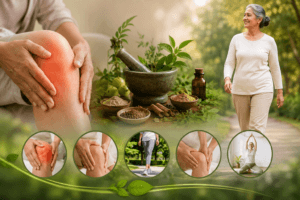
Treatment may include one or more of the following, depending on the patient’s condition.
Herbal Medicines
Ayurvedic medicines may be prescribed to help manage inflammation and balance Vata.
Local Therapies
External Ayurvedic treatments are often used to provide comfort and support joint health.
Panchakarma
For selected patients, Panchakarma therapies may be recommended as part of the treatment plan.
Diet Guidance
Food plays an important role in Ayurveda. Patients receive guidance on what to eat and what to avoid.
Lifestyle Changes
Simple changes in daily habits, posture, exercise, and weight management are considered an essential part of recovery.
A Common Mistake Many People Make
Some people only take medicines but ignore everything else.
They don’t:
- Lose excess weight
- Exercise regularly
- Improve their daily habits
- Follow dietary advice
Later they say,
“The treatment didn’t work.”
The truth is that Ayurveda treats the whole person—not just the painful knee.
Medicines, diet, lifestyle, and regular follow-up all work together.
Simple Tips to Take Care of Your Knees
Small daily habits can make a big difference.
- Maintain a healthy body weight.
- Avoid sitting continuously for long hours.
- Walk regularly.
- Climb stairs slowly.
- Avoid putting unnecessary pressure on your knees.
- Protect your knees from extreme cold and strain.
When Should You Visit a Doctor?
Don’t ignore knee pain if you notice any of these signs:
- Pain is becoming more severe.
- Swelling keeps returning.
- Walking becomes difficult.
- Pain continues even at night.
- You cannot bend or straighten your knee properly.
Early evaluation can help identify the cause and guide appropriate treatment.
Why Choose Aaptashri Ayurveda & Panchakarma Clinic, Pune?
At Aaptashri Ayurveda & Panchakarma Clinic, every patient is treated individually.
Instead of giving the same treatment to everyone, a detailed assessment is carried out first.
Based on your condition, the treatment plan may include:
- Personalized Ayurvedic medicines
- Panchakarma (if required)
- Diet recommendations
- Lifestyle guidance
- Regular follow-up
The goal is to provide a treatment plan that suits your unique health needs.
Final Thoughts
Knee pain is common, but it should never be ignored.
With timely care, healthy lifestyle changes, and appropriate Ayurvedic treatment, many people can experience significant improvement in their symptoms.
If your knee pain has started affecting your daily life, don’t wait for it to become worse.
Consult a qualified Ayurvedic doctor, understand the cause of your problem, and begin treatment at the right time.
Healthy knees mean better movement, greater independence, and a healthier life.
Knee pain has become one of the most common health problems today. Almost every family knows someone who struggles with it.
Maybe your mother finds it difficult to climb stairs.
Maybe your father feels stiffness in his knees every morning.
Or perhaps you are young but notice knee pain after sitting for long hours at work.
At first, most people ignore it.
“It’s probably just tiredness.”
But as the pain gradually increases, one question naturally comes to mind:
“Can Ayurvedic treatment really help with knee pain?”
Let’s understand this in a simple and practical way.
What Exactly Is Knee Pain?
The knee is one of the busiest joints in our body. Every day, it supports our body weight while we walk, stand, sit, climb stairs, or even get up from a chair.
Inside the knee is a smooth cushioning layer called cartilage. It allows the bones to move comfortably without rubbing against each other.
Over time, this cartilage may wear down, muscles and ligaments may become weak, or inflammation may develop. As a result, you may experience:
- Pain while walking
- Swelling around the knee
- Stiffness
- Cracking or clicking sounds
- Difficulty in bending or straightening the knee
These are common signs of knee pain.
Why Does Knee Pain Happen?
There isn’t just one reason. Knee pain can develop due to several factors.
- Age
As we grow older, the protective cartilage naturally becomes thinner. This is one of the most common reasons for knee pain.
- Excess Body Weight
Every extra kilogram of body weight puts additional pressure on your knees. Over time, this constant stress can damage the joint.
- Previous Injury
An old sports injury, fall, or accident may continue to affect the knee even years later.
- Long Sitting Hours
Many people spend 8–10 hours sitting at a desk. Lack of movement weakens the muscles supporting the knee.
- Arthritis
Inflammation inside the joint can also cause pain, swelling, and stiffness.
Early Signs You Should Never Ignore
Knee pain usually doesn’t appear overnight. Your body often gives small warning signs first.
You may notice:
- Stiffness in the morning
- Pain while climbing stairs
- Difficulty getting up after sitting
- Clicking sounds during walking
- Knee discomfort after a short walk
Many people consider these symptoms “normal” and ignore them until the problem becomes more serious.
How Does Ayurveda Look at Knee Pain?
Ayurveda does not focus only on the painful joint.
According to Ayurveda, knee pain is often associated with an imbalance of Vata Dosha. Increased Vata can lead to dryness, stiffness, reduced joint lubrication, and pain.
However, Ayurveda also believes that every person is different.
The reason behind your knee pain may not be the same as someone else’s. That is why Ayurvedic treatment is always planned according to an individual’s body type, symptoms, and overall health.
There is no “one medicine for everyone.”
Is Ayurvedic Treatment Really Effective?
The honest answer is:
Yes, Ayurvedic treatment can be beneficial for many people with knee pain.
However, the results are different for every individual.
Some people start feeling better within a few weeks, while others experience gradual improvement over a longer period.
With proper treatment, many patients may experience:
- Reduced pain
- Less swelling
- Improved joint movement
- Easier walking
- Better ability to perform daily activities
It is important to understand that Ayurveda is not a quick fix.
It works by supporting the body’s natural healing process, which takes time and consistency.
What Does Ayurvedic Treatment Usually Include?
Treatment may include one or more of the following, depending on the patient’s condition.
Herbal Medicines
Ayurvedic medicines may be prescribed to help manage inflammation and balance Vata.
Local Therapies
External Ayurvedic treatments are often used to provide comfort and support joint health.
Panchakarma
For selected patients, Panchakarma therapies may be recommended as part of the treatment plan.
Diet Guidance
Food plays an important role in Ayurveda. Patients receive guidance on what to eat and what to avoid.
Lifestyle Changes
Simple changes in daily habits, posture, exercise, and weight management are considered an essential part of recovery.
A Common Mistake Many People Make
Some people only take medicines but ignore everything else.
They don’t:
- Lose excess weight
- Exercise regularly
- Improve their daily habits
- Follow dietary advice
Later they say,
“The treatment didn’t work.”
The truth is that Ayurveda treats the whole person—not just the painful knee.
Medicines, diet, lifestyle, and regular follow-up all work together.
Simple Tips to Take Care of Your Knees
Small daily habits can make a big difference.
- Maintain a healthy body weight.
- Avoid sitting continuously for long hours.
- Walk regularly.
- Climb stairs slowly.
- Avoid putting unnecessary pressure on your knees.
- Protect your knees from extreme cold and strain.
When Should You Visit a Doctor?
Don’t ignore knee pain if you notice any of these signs:
- Pain is becoming more severe.
- Swelling keeps returning.
- Walking becomes difficult.
- Pain continues even at night.
- You cannot bend or straighten your knee properly.
Early evaluation can help identify the cause and guide appropriate treatment.
Why Choose Aaptashri Ayurveda & Panchakarma Clinic, Pune?
At Aaptashri Ayurveda & Panchakarma Clinic, every patient is treated individually.
Instead of giving the same treatment to everyone, a detailed assessment is carried out first.
Based on your condition, the treatment plan may include:
- Personalized Ayurvedic medicines
- Panchakarma (if required)
- Diet recommendations
- Lifestyle guidance
- Regular follow-up
The goal is to provide a treatment plan that suits your unique health needs.

Final Thoughts
Knee pain is common, but it should never be ignored.
With timely care, healthy lifestyle changes, and appropriate Ayurvedic treatment, many people can experience significant improvement in their symptoms.
If your knee pain has started affecting your daily life, don’t wait for it to become worse.
Consult a qualified Ayurvedic doctor, understand the cause of your problem, and begin treatment at the right time.
Healthy knees mean better movement, greater independence, and a healthier life.