

What Should You Avoid to Keep Your Blood Sugar Under Control? | Important Habits to Avoid for Better Blood Sugar Management
In today’s fast-paced lifestyle, high blood sugar has become a common health concern. Some people are living with Diabetes, some are in the Pre-diabetes stage, while others may have normal blood sugar reports but still want to reduce their future risk of developing diabetes.
Keeping your Blood Sugar under control is not just about taking medications. A healthy lifestyle also plays a vital role in maintaining stable blood glucose levels.
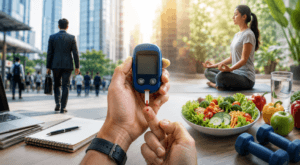
However, small everyday habits can gradually affect your Blood Sugar Level.
So, an important question arises:
What should you avoid if you want to keep your Blood Sugar under control?
Let’s explore this in detail.
- Breakfast
If you genuinely feel hungry in the morning, you may have breakfast. However, if you are not hungry, you may skip breakfast and have your first meal at lunchtime instead.
The key is to listen to your body’s natural hunger signals rather than eating simply because it is a fixed meal time.
- Avoid Frequently Eating Sugary Foods
Reducing excessive sugar intake is important for maintaining healthy blood sugar levels.
Try to avoid:
❌ Sweets
❌ Cakes
❌ Chocolates
❌ Soft drinks
❌ Ice cream
❌ Sweet bakery products
These foods can cause a rapid rise in blood sugar when consumed frequently.
- Avoid Eating Processed and Junk Food Every Day
Fast food may taste good, but eating it regularly is generally not considered a healthy habit.
Frequent consumption may contribute to:
- Weight gain
- Reduced energy levels
- Fluctuations in blood sugar
Limit foods such as:
❌ Pizza
❌ Burgers
❌ Potato chips
❌ Instant noodles
❌ Packaged snacks
Freshly prepared, balanced home-cooked meals are often a healthier choice.
- Water Intake
There is no fixed amount of water that every person must drink each day.
Thirst is the body’s natural signal indicating the need for fluids. Therefore, water intake should generally be guided by your body’s requirements.
Drink water when you feel thirsty and consume enough fluids to stay comfortably hydrated.
- Avoid Sitting Continuously for Long Hours
Low levels of physical activity can make blood sugar management more challenging.
Avoid:
❌ Sitting all day without taking movement breaks
❌ Going to bed immediately after meals
❌ Completely avoiding exercise
Even light physical activities like walking every day can support overall health.
- Don’t Ignore Stress
Chronic stress can affect both your physical and mental well-being.
Excessive stress may lead to:
- Poor sleep quality
- Changes in eating habits
- Increased fatigue
Avoid:
❌ Excessive overthinking
❌ Not getting enough sleep
❌ Living under constant stress

Managing stress through relaxation techniques, meditation, hobbies, or regular physical activity can be beneficial.
- Avoid Staying Awake Late at Night
Good-quality sleep plays an important role in maintaining healthy blood sugar levels.
Poor sleep may contribute to:
- Increased tiredness
- Increased appetite
- Disruption of your daily routine
Avoid:
❌ Late-night scrolling on your phone
❌ Eating heavy meals late at night
❌ Frequently changing your sleep schedule
Aim for a consistent sleep routine whenever possible.
- Don’t Skip Regular Blood Sugar Testing
Sometimes blood sugar levels can become elevated without causing noticeable symptoms.
Regular blood sugar monitoring helps you understand your health status and allows timely discussions with your healthcare professional if needed.
- Don’t Change Your Treatment Without Professional Advice
Some people start, stop, or change their medications after looking at their reports or reading information online.
However, every individual is different, and treatment plans should be personalized.
Avoid:
❌ Stopping medications without consulting your healthcare provider
❌ Starting treatment based only on internet information
❌ Following someone else’s treatment plan
Always seek guidance from a qualified healthcare professional before making changes to your treatment.
- Don’t Ignore Early Warning Signs
Sometimes the symptoms of high blood sugar are mild and easy to overlook.
Common warning signs may include:
- Increased thirst
- Frequent urination
- Persistent fatigue
- Blurred vision
- Increased hunger
If you notice these symptoms repeatedly, it is advisable to consult a healthcare professional for proper evaluation.
Small Precautions Can Make a Big Difference
Managing Blood Sugar is not only about taking medicines.
Your daily lifestyle habits are equally important for maintaining good health.

Try to avoid:
✔ Excess sugar intake
✔ Junk food
✔ Unnecessary breakfast when not hungry (eat according to your natural hunger)
✔ Excessive stress
✔ Staying awake late at night
✔ Lack of physical activity
Instead, focus on taking care of your body through healthy daily habits and a balanced lifestyle.
Small, consistent lifestyle improvements may take time to show results, but they can contribute to better long-term health.
Take care of your health. Timely attention and preventive care are among the best ways to support lifelong well-being.
Disclaimer: This article is intended for educational purposes only and should not replace professional medical advice, diagnosis, or treatment. If you have Diabetes, Pre-diabetes, or concerns about your blood sugar levels, consult a qualified healthcare professional for personalized guidance.