Why Does Back Pain Keep Coming Back? What Does Ayurveda Say?
“Why does my back pain keep coming back?”
If you have experienced back pain before, you may have noticed that it sometimes improves after a few days of rest, only to return again later.
Back pain is not always related to age. Today, it is common among people who spend long hours sitting at a desk, driving for extended periods, standing for long hours, or following a lifestyle with very little physical activity.
But why does this discomfort keep returning? Is it related to posture, daily habits, physical strain, muscles, the spine, or nerves?
Let’s understand the common reasons behind recurring back pain and what Ayurveda says about it.
Why Is Back Pain So Common Nowadays?
Our daily routines have changed significantly. Many people spend several hours working on computers, using mobile phones, travelling, or sitting continuously without taking enough breaks.
When the body remains in the same position for a long time, the muscles and joints may become stiff and strained. Lack of regular movement can also affect the strength and flexibility of the muscles that support the back.
Over time, these habits may contribute to recurring back discomfort.

Why Does Back Pain Keep Coming Back?
There can be several reasons behind recurring back pain. Some common factors include:
- Sitting for long hours
- Poor sitting or standing posture
- Lack of regular physical activity
- Sudden physical strain
- Lifting heavy objects incorrectly
- Inadequate rest or poor sleep habits
- Muscle strain
- Problems related to the spine
- Nerve-related problems
The exact cause can vary from person to person. Therefore, it is important to understand your daily routine and symptoms rather than focusing only on temporary pain relief.
Sitting in the Same Position for Long Hours
If your work requires you to sit for several hours, your back may remain under continuous stress.
Sitting without proper back support, leaning forward toward a laptop, or using a mobile phone for long periods can place additional strain on the back.
Taking short breaks, changing your position regularly, walking for a few minutes, and using proper back support can help reduce unnecessary strain.
Poor Posture Can Affect Your Back
The way you sit, stand, walk, and even use your mobile phone can influence your posture.
For example, continuously bending your neck and back while using a phone or sitting in an awkward position on a sofa may gradually increase muscle tension and stiffness.
Maintaining a comfortable posture and avoiding prolonged positions can help support better back health.
Less Exercise and More Sitting
A sedentary lifestyle can be another contributing factor to recurring back pain.
Regular movement helps maintain muscle strength and flexibility. The muscles of the back and abdomen also play an important role in supporting the spine.
Simple activities such as walking and regular movement can help maintain overall physical fitness. However, if you already have significant discomfort, it is better to choose exercises based on professional guidance.
Lifting Heavy Objects Suddenly
Back pain can sometimes begin after lifting a heavy bag, household item, or other object.
Sudden lifting, especially with incorrect posture or technique, can put extra strain on the muscles and other structures of the back.
When lifting something heavy, use a safe technique and avoid putting unnecessary pressure on your lower back.
Ignoring Sleep and Rest
Your body needs adequate rest to recover from daily physical and mental stress.
An uncomfortable sleeping position or an irregular sleep routine may contribute to stiffness and discomfort in some people.
If you frequently wake up with back pain or stiffness, it may be worth paying attention to your sleeping position, mattress comfort, daily activity, and overall routine.
What Does Ayurveda Say About Back Pain?
In Ayurveda, many conditions involving pain and stiffness are associated with an imbalance of Vata Dosha.
Conditions involving pain or stiffness in the lower back may be described using Ayurvedic terms such as Katishoola or Katigraha.
However, every case of back pain cannot be attributed to Vata imbalance alone. Muscle strain, spinal problems, nerve pressure, and other factors may also contribute to these symptoms.
Therefore, proper assessment is important before deciding on an appropriate treatment approach.
How Can Lifestyle Affect Vata Dosha?
According to Ayurveda, certain lifestyle habits may contribute to an increase in Vata.
Irregular daily routines, inadequate rest, excessive travelling, physical strain, irregular eating habits, and frequent consumption of very dry foods may influence Vata balance.
An Ayurvedic doctor may consider several factors, including your Prakriti, lifestyle, work routine, sleep pattern, diet, and symptoms, before suggesting an appropriate approach.
Understanding these factors can help in choosing a more suitable treatment plan.
What Ayurvedic Treatments May Be Considered for Back Pain?
Ayurvedic treatment for back pain is not the same for everyone. The approach may depend on the person’s symptoms, physical condition, lifestyle, and underlying cause.
Depending on the individual assessment, an Ayurvedic doctor may consider therapies such as:
- Abhyanga – Ayurvedic oil massage
- Swedana – Ayurvedic therapeutic sweating or fomentation
- Kati Basti – a localized Ayurvedic therapy commonly used for lower-back discomfort
- Basti – an Ayurvedic therapy that may be recommended in selected conditions under professional supervision
These therapies should be performed or recommended by a qualified Ayurvedic practitioner after proper assessment.
Is Applying Oil at Home Enough?
Applying oil or using a home remedy may provide temporary comfort in some cases.
However, if the discomfort keeps returning, simply applying something to the painful area may not address the underlying cause.
Recurring symptoms may be related to posture, muscle strain, spinal problems, nerve involvement, lifestyle habits, or other factors.
Therefore, persistent or recurring discomfort should be properly evaluated rather than managed only with temporary remedies.
Can Diet Affect Back Pain?
In Ayurveda, diet and daily routine are considered important parts of maintaining overall balance.
However, there is no single food or home remedy that can work for everyone experiencing back pain.
Following a balanced diet, maintaining adequate hydration, eating at regular times, and maintaining a healthy routine can support overall well-being.
If you are considering major dietary changes, especially when you have an existing health condition, it is better to seek professional advice.
What Daily Changes Can Help Prevent Back Pain?
Small changes in your daily routine can make a difference.
Consider the following habits:
- Take short breaks if you sit for long hours.
- Walk and move regularly throughout the day.
- Maintain proper sitting posture.
- Use appropriate back support while working.
- Avoid staying in one position for too long.
- Avoid bending forward continuously for long periods.
- Use proper technique while lifting heavy objects.
- Give your body enough rest and sleep.
- Maintain regular physical activity according to your ability.
These simple habits can help reduce unnecessary strain on the back.
What If Back Pain Travels Down the Leg?
If your back pain starts travelling to the buttock, thigh, or leg, it may sometimes indicate nerve involvement.
Symptoms such as tingling, numbness, burning sensations, or weakness in the leg should not be ignored.
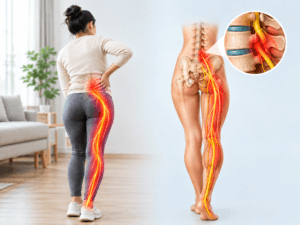
In such situations, proper medical evaluation is important to understand the underlying cause.
When Should You Consult a Doctor for Back Pain?
Not every episode of back pain indicates a serious problem. However, medical advice is important if:
- The pain keeps getting worse.
- You experience sudden weakness in the leg.
- There is persistent numbness or tingling.
- Severe pain travels down the leg.
- The pain starts after a fall or accident.
- You have a fever along with severe back pain.
- You experience severe or unusual pain at night.
- There are sudden changes in bowel or bladder control.
These symptoms require appropriate medical evaluation.
Don’t Ignore Recurring Back Pain
Occasional back pain that improves with rest may not always indicate a major problem.
However, if the discomfort keeps returning, it is important to look at the bigger picture.
Ask yourself:
- Am I sitting for too long?
- Is my posture correct?
- Am I getting enough physical activity?
- Am I sleeping properly?
- Am I lifting heavy objects incorrectly?
- Does the pain travel to my legs?
- When does the discomfort usually occur?
Understanding these patterns can help identify possible contributing factors.
How Does Ayurveda Look at Back Pain?
Ayurveda does not necessarily focus only on the painful area.
An Ayurvedic approach may consider the person’s Prakriti, diet, daily routine, sleep, work pattern, physical activity, and overall health condition.
Based on the individual assessment, treatment may include Ayurvedic therapies, lifestyle modifications, dietary guidance, and appropriate investigations when required.
The goal is not simply to provide temporary relief but to understand the factors that may be contributing to recurring discomfort.
One Important Thing to Remember
Recurring back pain should not simply be ignored.
Your daily habits, posture, physical activity, rest, sleep, and the way you perform physical tasks can all influence your back health.
If your discomfort keeps coming back, instead of repeatedly relying only on temporary relief, try to understand why it is happening repeatedly.
Simply reducing the pain for some time is not enough; it is also important to understand why the discomfort keeps coming back.
Consult Aaptashri Ayurveda & Panchakarma Clinic
If you are experiencing recurring back pain or other health concerns and are looking for an Ayurvedic approach, consult a qualified Ayurvedic doctor for proper assessment and guidance.
Aaptashri Ayurveda & Panchakarma Clinic
Dr. Saurabh B. Kadam, M.D. (Ayu)
Specialized Ayurvedic care for:
- IBS & Digestive System Disorders
- Female & Male Reproductive Health Concerns
- Ayurvedic Treatment & Panchakarma
Address:
Aaptashri Ayurved & Panchakarma Clinic,
Shop No. 2 to 4, 1st Floor, Sneh Mithila Apartment,
31/1, Kashave Nagar, Next to Swaraj Garden Hotel,
Bhosari Road, Pimple Saudagar, Pimpri, Pune – 411027, Maharashtra.
Contact: +91 73877 93189 | +91 96650 10500